

 简体中文
简体中文 English
 Русский язык
 WhatsApp: +86 15083395008
MAYBE YOU ARE INTERESTED IN
Jinlei MACHINERY knows what you expect from a mining project, and we are making it happen with unrivaled products and services.
Leave Message
Application Areas: Applications: Industrial boilers, road construction machinery, mining equipment, heat treatment furnaces, and other industrial equipment requiring high-efficiency combustion.
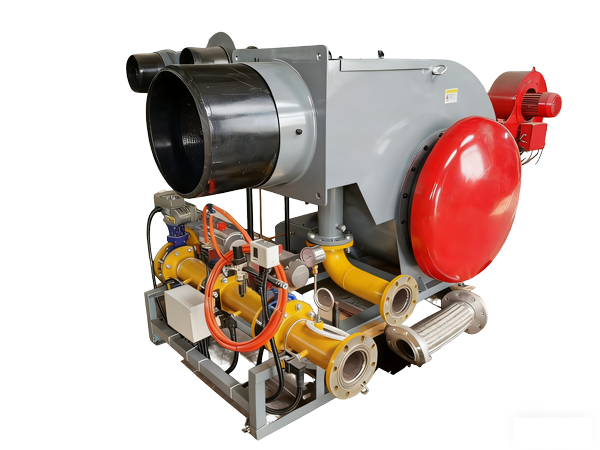
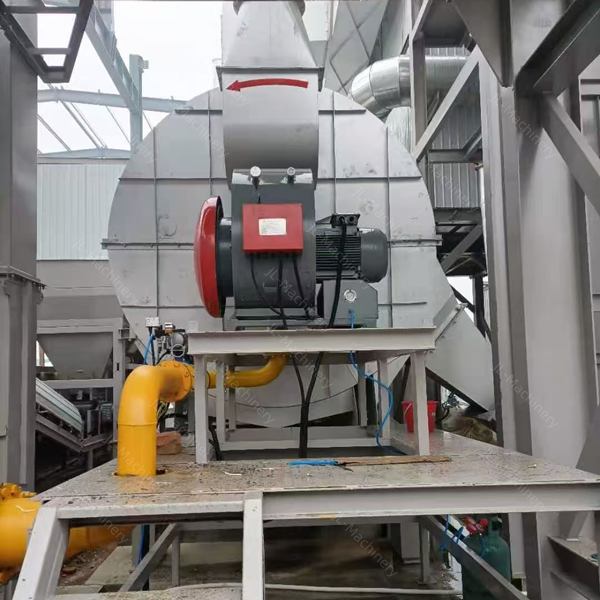
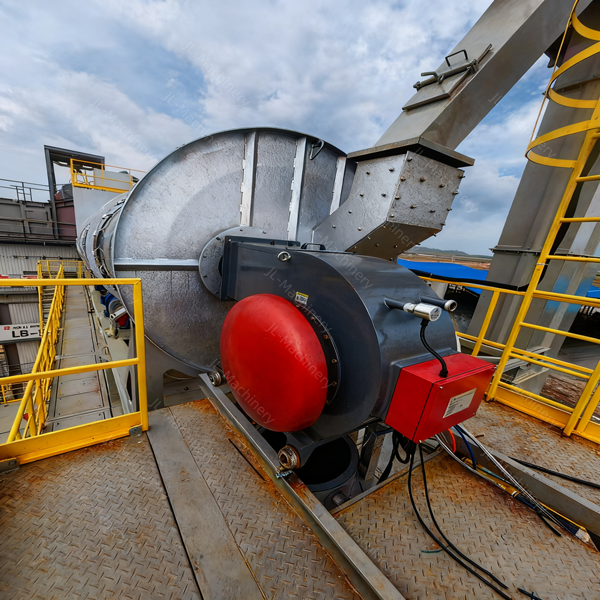
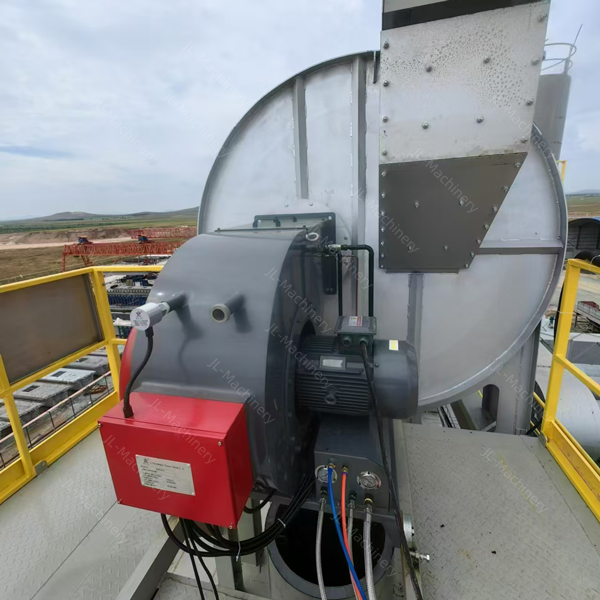
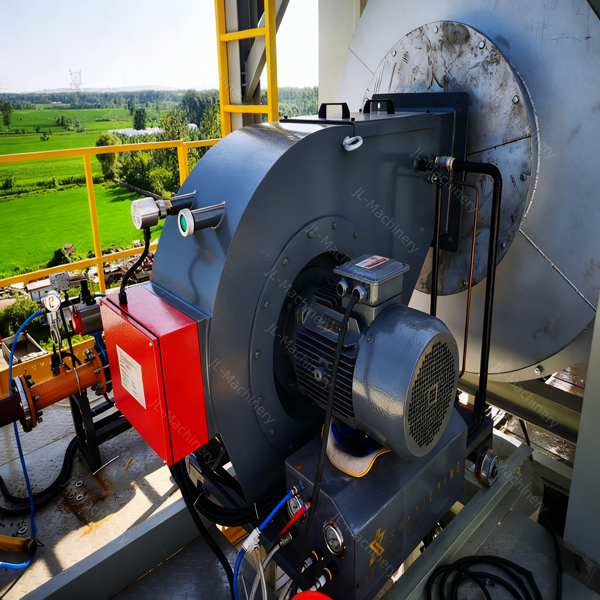
Light/Heavy Oil and Gas Burner is an intelligent, safe, energy-saving, and environmentally friendly high-performance combustion device, suitable for road construction machinery. It particularly stands out in terms of combustion stability, safety, and energy efficiency.
🔧 Fuel Adaptability
Light Oil: Max viscosity ≤ 1.5°E @ 20℃
Heavy Oil: Max viscosity ≤ 80°E @ 50℃
🛠️ Components & System Composition
Ignition System: Ignition torch, ignition solenoid valve, high voltage pack
Control Components: PLC, frequency converter, pressure switch, flame amplifier
Valve Train System: Siemens valve train (minimum pressure 500 mbar), domestic valve train (adjustable pressure 100–250 mbar)
Auxiliary Equipment: Air compressor, air-water separator, oil pump, oil filter, etc.
1. High Intelligence
- Adopts proprietary flame control technology for one-button start/stop.
- Features fault self-diagnosis, automatically monitoring and recording operating data.
- Simple operation suitable for a wide range of users.
2. High Stability
- Automatically reignites and issues an alarm in the event of a flame-out or other failures.
- Ensures continuity and stability of the production process.
3. High Safety
- Equipped with multiple interlock protection functions to fundamentally prevent explosions and deflagrations.
- The control system uses world-renowned brand components (such as PLC, frequency converter, photoelectric detector, etc.) for high reliability.
4. High Environmental Performance
- Achieves excellent atomization of heavy oil, ensuring optimal combustion at all times.
- Significant energy savings: fuel consumption reduced by 10% to 30%.
- Low noise pollution, meeting environmental requirements.
5. Excellent Cost Performance
- Key components (such as PLC, frequency converter, low-voltage electrical components, etc.) are selected from internationally renowned brands.
- The system is sophisticated yet easy to operate, with low maintenance costs.
1. Preparation and Start-Up Phase
Fuel Preparation:
Oil Circuit: Heavy oil or light oil is drawn from the tank, passed through the oil pump and filter, and, if necessary, preheated to reduce viscosity, achieving a state suitable for atomization.
Gas Circuit: Natural gas (or other gas) passes through the pressure regulating valve and solenoid valve group, and stands by after pressure stabilization.
Air Circuit: The blower sends combustion air in, and the air volume is controlled by the air damper.
Pre-Purge: Before ignition, the burner automatically starts the fan and purges the furnace with air for several seconds to remove any residual combustible gas, ensuring safe start-up.
Ignition: The ignition transformer generates high voltage, creating a spark between the ignition rod electrodes. Simultaneously, the gas solenoid valve opens, releasing a small amount of gas which is ignited by the spark, forming a stable pilot flame.
2. Main Combustion Phase
Fuel Injection and Atomization:
Oil Mode: Fuel oil is delivered to the oil nozzle via the oil pump. At the same time, the atomizing medium (compressed air or steam) impacts the oil stream at high speed, breaking it into extremely fine droplets (i.e., atomization), greatly increasing the contact area with air, creating conditions for complete combustion.
Gas Mode: Gas is ejected from the gas nozzle and premixed with air.
Combustion: The atomized oil droplets (or gas) mix with precisely proportioned combustion air in the furnace, are ignited by the pilot flame or the high-temperature furnace, forming a stable main flame.
3. Monitoring and Regulation Phase
Flame Monitoring: A photoelectric detector (flame scanner) monitors the flame status in real time. If an unexpected flame-out is detected, it immediately sends a signal to the control system, cutting off fuel supply and triggering an alarm to prevent deflagration.
Intelligent Control: The PLC (Programmable Logic Controller) serves as the core, automatically adjusting the ratio of fuel (oil/gas) to air according to set temperature or pressure parameters, ensuring optimal combustion under any load, thereby achieving high efficiency and energy savings.
Safety Interlocks: Components such as pressure switches and temperature sensors form multiple layers of protection. For example, if the oil pressure, gas pressure, or air pressure is abnormal, the system will immediately lock and shut down.
4. Shutdown and Post-Purge
When the set temperature is reached or a shutdown command is received, the main fuel valve first closes, and the flame extinguishes.
The fan continues to run for a period to perform a post-purge, blowing out residual heat and exhaust gases from the furnace, cooling the burner, and ensuring a safe shutdown.
Conclusion: "Precise proportioning, thorough atomization, real-time monitoring, intelligent regulation."
Through advanced digital control technology, this system ensures the optimal mixing ratio of fuel and air, and through efficient atomization technology, combustion is more complete. Together with full-process flame and parameter monitoring and multiple safety protections, it ultimately achieves the high intelligence, high stability, high safety, and high environmental performance emphasized in the sample.
| Model | Motor Power (kW) | Thermal Power (MW) | Oil Consumption (kg/h) | Gas Consumption (m³/h) | Fuel Connection (DN) |
|---|---|---|---|---|---|
| 500 | 7.5 | 3.5 | 280 | 300 | 65 |
| 800 | 11 | 5.5 | 480 | 450 | 65 |
| 1000 | 15 | 7.5 | 630 | 680 | 80 |
| 1500 | 18.5 | 11 | 910 | 980 | 80 |
| 2000 | 22 | 14 | 1225 | 1320 | 100 |
| 3000 | 30 | 20 | 1680 | 1800 | 125 |
| 4000 | 37 | 25 | 2240 | 2400 | 150 |
| 5000 | 45 | 30 | 2800 | 3000 | 150 |
Note: Gas consumption unit has been corrected to cubic meters per hour (m³/h)